
Community Currency
Trading & Sharing Zines

I wish we lived in a world where everything wasn’t dictated by money & financial value. I find joy in the simple things in life, like nature, the sun, & the art that people create. Most of the time, it doesn’t cost money to get outside & enjoy the breeze. This concept makes me ponder the significance of zines, stickers, & other things we trade & provide to the universe without monetary value. Just creativity, uniqueness, & connection. Imagine trading something that you created from scratch for someone’s else creation that also constructed from scratch? Trading pictures & tangible items that you can hold & display on your walls. These things are more than just paper, they’re another form of self-expression, & the best way to exchange a special kind of handshake. A small piece of connection passed from one creator to another.
The world knows zines as a counterculture revolution that pushed Punk & activist scenes into the limelight of the mainstream during the 60s & 70s, but fanzines primarily emerged from the 30s & 40s by Sci-Fi fans who couldn’t get published. Fanzines, short for fan magazines, were typed, stapled, & mimeographed by artists who wanted to showcase their own works & the works of the growing culture at the time. Trading was the normal way to gain popularity & to circulate different versions of work. Artists would grow mailing lists filled with PO boxes & home address to their fans & other creators. Fan clubs were amongst the first networks of people, long before the internet was invented.
Mini Zines open for trades! Freights in Flight 1 & 2 available for $5 a piece: (Here)
During the Punk & activist scenes the zines that spread primarily at shows & in record shops. Creators would make their zines based on their favorite bands & their experiences at their shows. They would give them away to fans in the crowd & would leave by the record shop’s register so when fans would purchase vinyl & tapes, they would collect them as free souvenirs. Zines became the foundation of the DIY networking. A way for one fan to share a common experience with another fan they may have never met. Underground communities formed & gathered outside of the mainstream. Slowly, the creation of zines became a marker of credibility, proving that you were present in the growing culture.
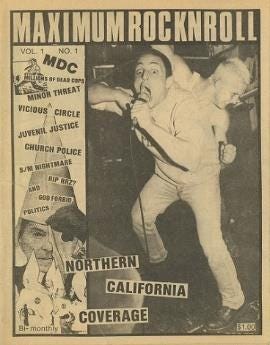
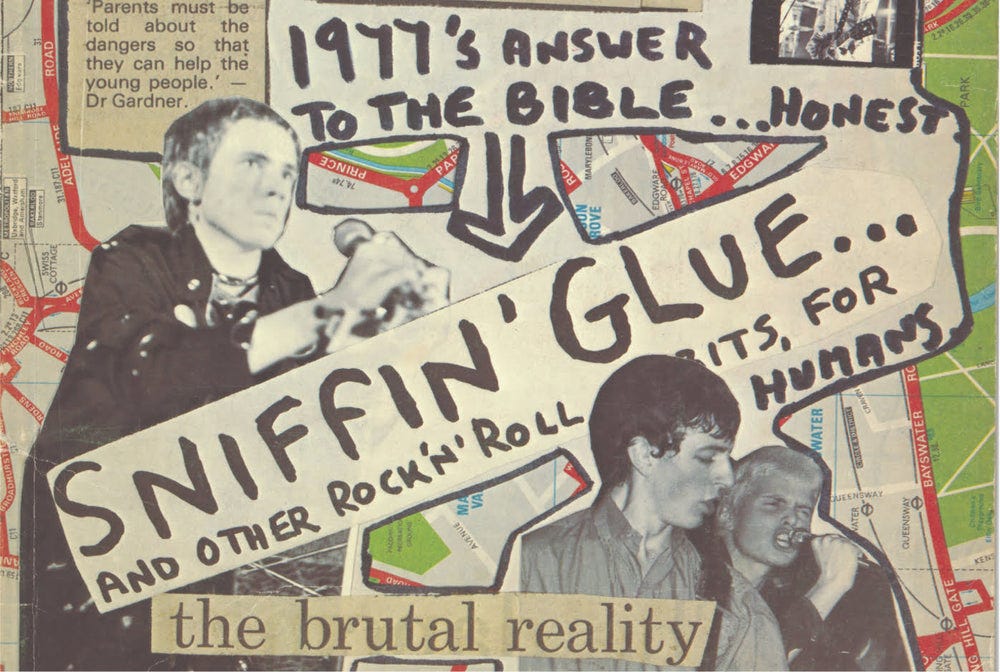
I personally haven’t seen many of the zines from those days, but from my research I’ve found titles like Sniffin’ Glue, & Maximum Rocknroll from the early 70s that acted as passports into the subculture of hardcore fans. Graffiti writers started to make their own photo zines that were photocopied pictures to showcase their sketches, burners, & freights they’ve painted. Many of the pictures started as simple pictures passed amongst writers to other writers, but slowly they built a catalog of things they wanted to share. Pictures turned into books & this was another way of getting up. It allowed other people from around the city to see your paintings, even if they didn’t have the ability to travel to see it in-person.
An important thing to remember is that trading mattered more than selling. Trading was almost like sharing a part of yourself. Your heart & soul usually goes into the things you create & by sharing that physically with someone, they too can appreciate the steps it took to get to their hands. I think that’s something that we miss in today’s world because everything has become digital. They send you instant messages of pictures instead of being able to hold it physically. You lost some of the steps to make something real. A lot of zines carry personal value, & people tend to be vulnerable in those pages. When someone buys one of my zines, I always provide stickers & something I created physically as a way of saying thank you. Thank your for spending your hard earned dollars on something I made. I feel as though this helps strengthen the bonds of communication further than just a simple like or follow online.
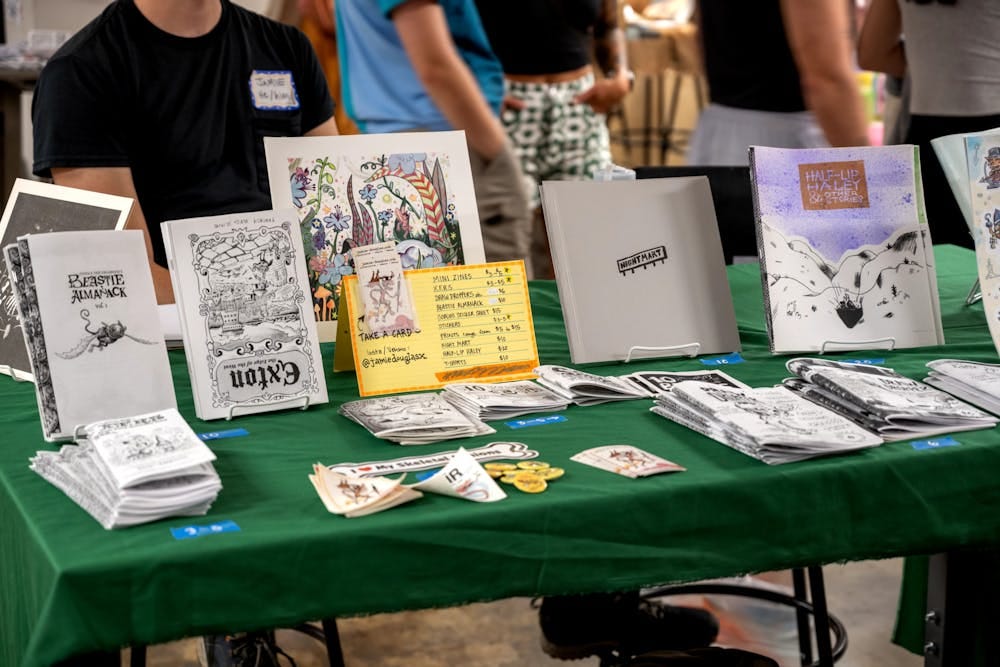
From the early 2000s & onward, zines have slowly become more mainstream. More accessible to everyone to create. Zine fests were hosted in many popular cities like Chicago, Portland, & New York City. These fests were focused on swapping, meeting, & building community in the cities we live in. They weren’t about making money, they were focused on circulating creations from people who live in your neighborhoods. I’ve touched on the topic of Postcrossing before, but it’s simply the act of sending & receiving mail-art from others to keep the spirit of physical mail alive. There is a large community of creators who share mail-art to one another, & the feeling of opening your mailbox to something unique & creative, rather than just bills & spam, is an amazing feeling.
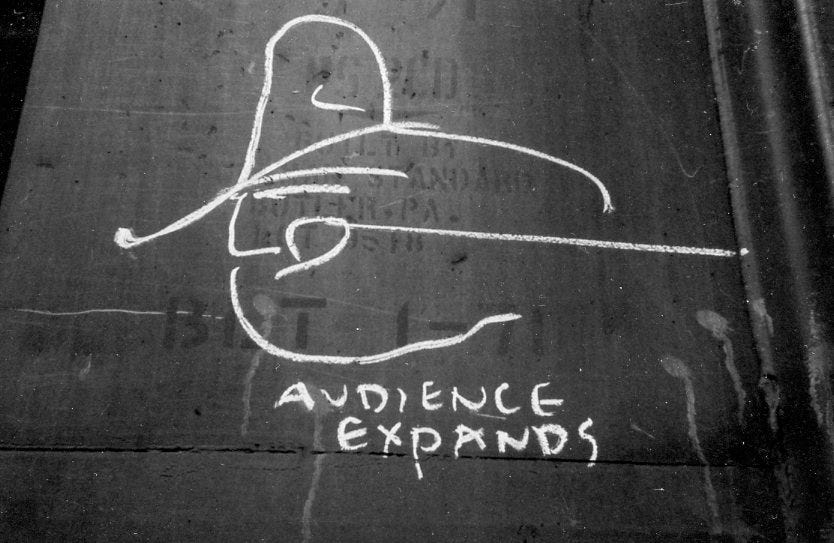
BuZ Blur, an extremely popular moniker artist discovered the international phenomenon of mail art in 1972. He would often send multi-media works of art through the mail to fans & other creators. He focused his talents to the sub-genre of mail art that he commonly referred to as artist’s stamps or artistamps. His networking skills lead him to getting widespread recognition & fame amongst his peers. Although, in the early years many other artists refereed to him as “The Quik Kopy Crap Artist”. To me, he is known as one of the most prolific moniker artists who ever walked the rails. Stamping his Colossus of Roads moniker on so many freight cars, that his monikers are still seen widely today.
I believe that the access to creations is more important than wealth. Many artists struggle to survive in the economy of today, & having a high circulation of our creations equals legitimacy. That’s why it’s important to have a social media presence, because it’s a digital representation of the things you wish to showcase. With that being said, I do find it equally important to be paid for the things you make. Not everything is going to sell well & you may not get extraordinary earnings from your products, but it’s important to establish a way of getting paid for your art. Whether that be a digital shop, a website, or just marketing on your social media pages, you should always create a way for financial value to be had. I think free art is amazing & I do it regularly, but those are like teasers to your real work. They are the way of getting people in the door to see more. I use social media like that, I post my works for free for people to see the possibilities I’m capable of.
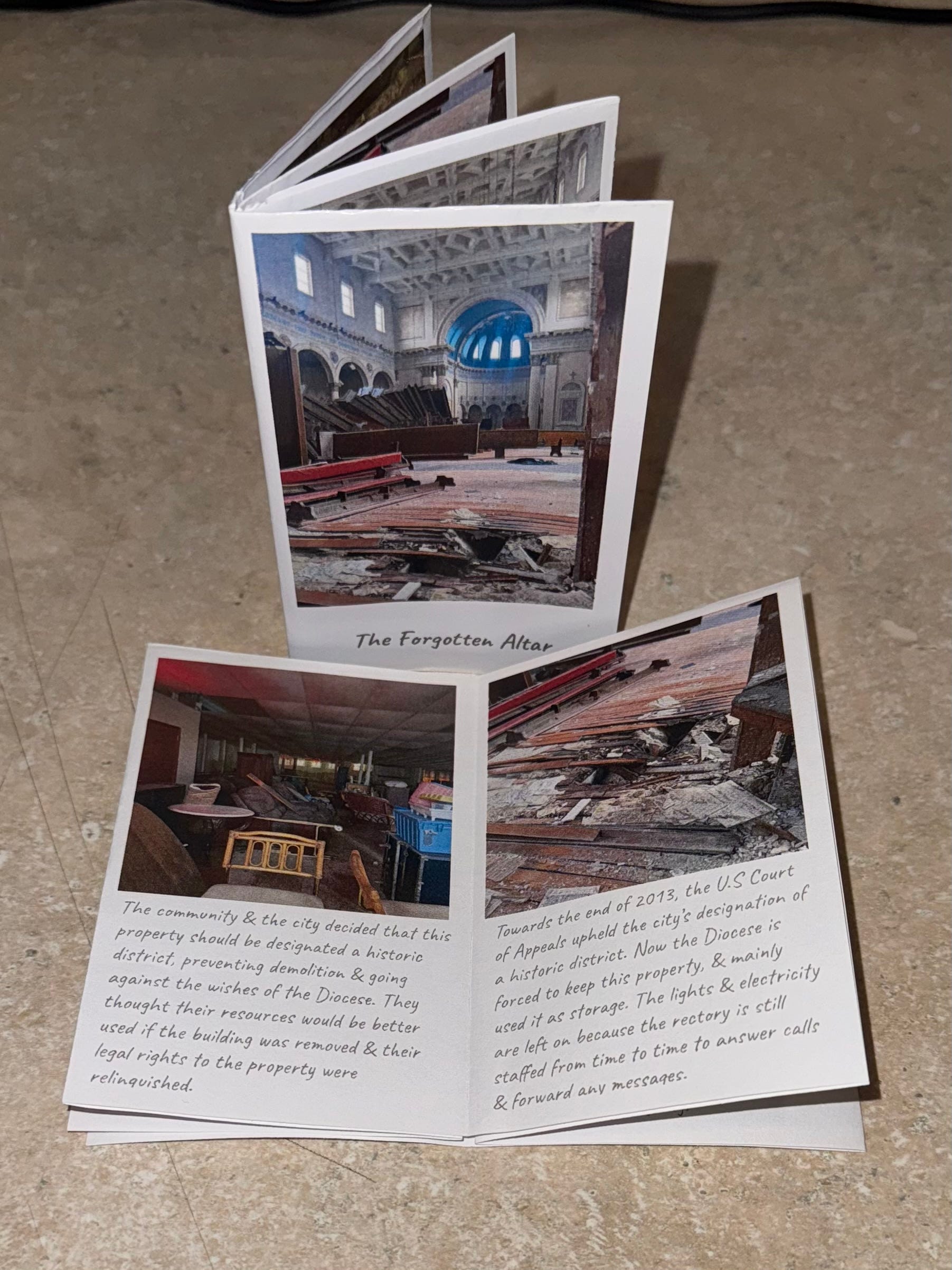
Download my FREE template of blank freight trains (Here) practice & create on real backdrops of the urban environment
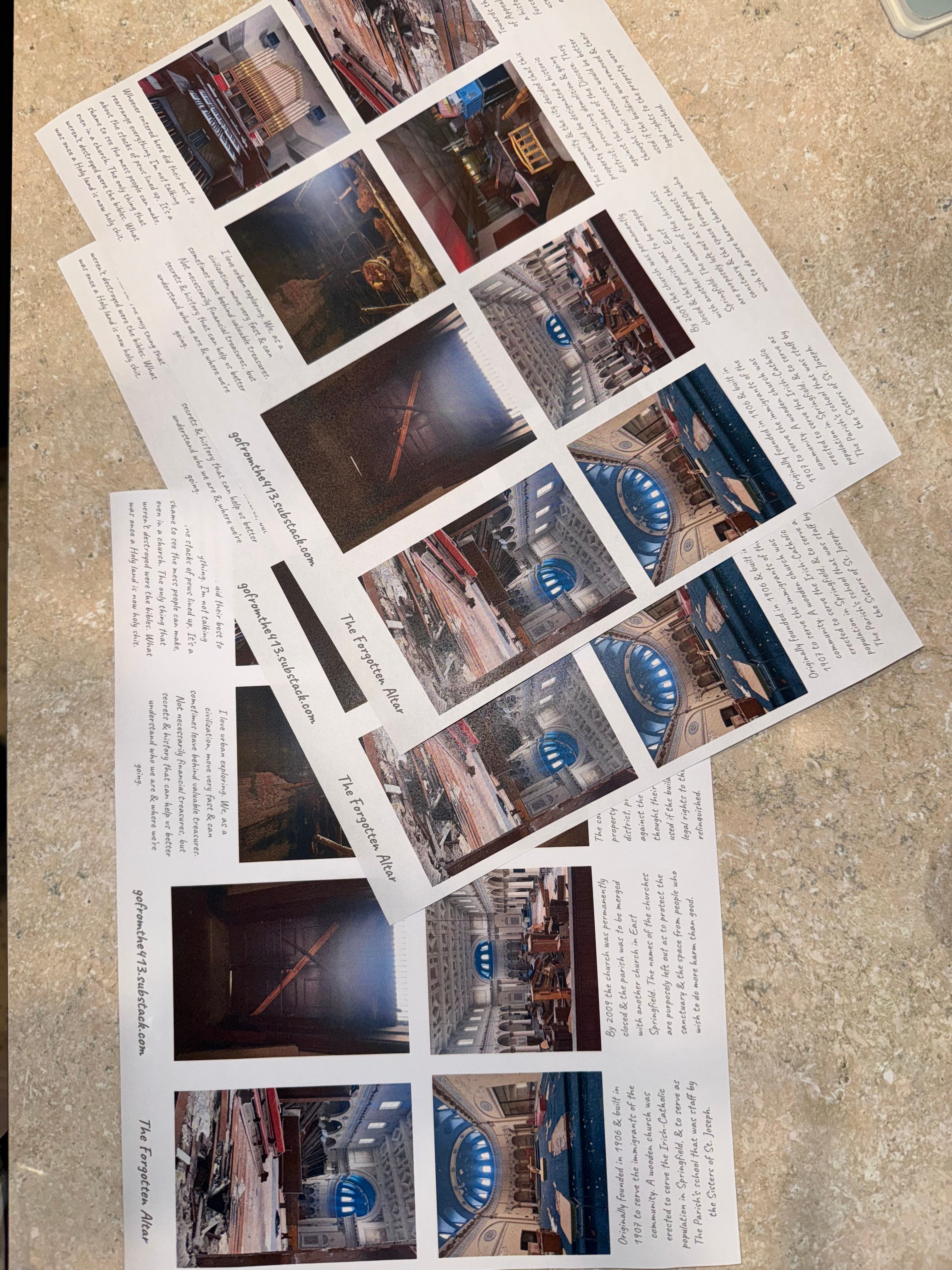
A zine’s worth is not dictated by the monetary value earned, it’s about how wide your visibility is & if your work is accessible. Zines aren’t just objects & scrap paper, they are currency for the right community & can open doors to other avenues that you've previously may have missed or are unaware of. I want my art to be touched & seen by as many people as possible & I’ve been making mini zines as free giveaways for people to get a taste of my work. If they like my work, they can see my digital shop for other items that I make & sell. Having free stuff to give away at events & festivals is a great marketing tool. The artist Humn showed me a valuable lesson & expressed that I should always be marketing myself. He suggested putting my Instagram & digital shop like on the back of my stickers. He suggested using the mini canvases as free tokens for people when they purchase a zine or a sticker pack. It’s about marketing & presentation. A great product can be overshadowed by poor presentation.


Still have tons of pictures from my drone that I haven’t used yet. I was going to the yard for like an hour a day every day for a couple of weeks straight. I’ve cut back a lot & been spending more time on making mini zines as a form of expression. I’m currently at 10 mini zines & I’m still making more. These are for free & will be passed out at events & in the mail. Going to be working on a Substack post that shows the process I’m using to create mini zines out of my Substack articles. A fun inception moment.
Peace & Love from the 413
Super interesting, I love how you see meaning as more experiential than anything else, finding joy in art and nature.
Super nice work !!!
Cool post.
I swear I see that TBOX freight car on the Lowell train station a lot 😄
I used to there quite a bit to take photos, sometimes at night. It didn't feel risky photographing at night there, but I'm in a similar position to you in that currently I spend more time writing and drawing.